The Future of Hair Restoration Is Regenerative — And It’s Already Here at Nespa
In 2025, Nature Reviews Disease Primers published a landmark review on Androgenetic Alopecia (AGA) — the most common cause of hair loss worldwide. The article makes one thing clear: while traditional treatments such as Minoxidil, Finasteride, and conventional hair transplantation remain standard, the future of hair restoration is regenerative, biologically targeted, and combinatory.
At Nespa, this is precisely where we operate.
Our regenerative trio — Pluripotent Exosomes, VEGF-A therapy, and advanced hair transplantation (FUE/FUT) — reflects the scientific direction outlined in the review. Rather than relying on a single mechanism, we address hair loss at the molecular, vascular, and structural levels.
Let’s explore how the latest science aligns with our approach.
1. Why Traditional Treatments Are Not Enough
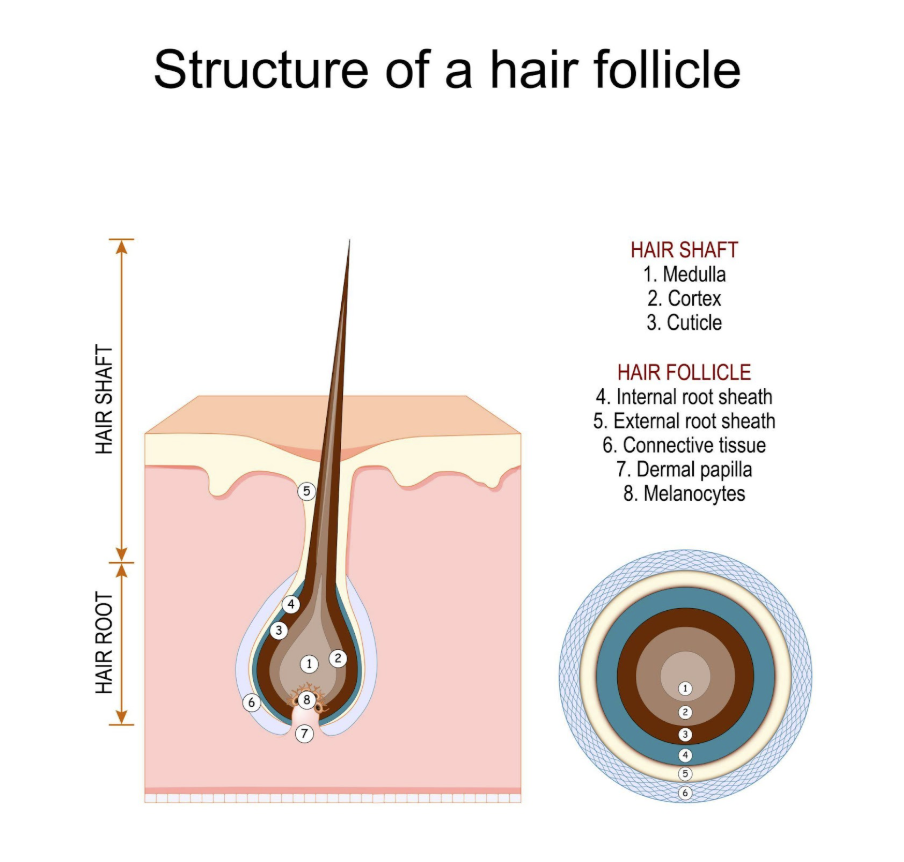
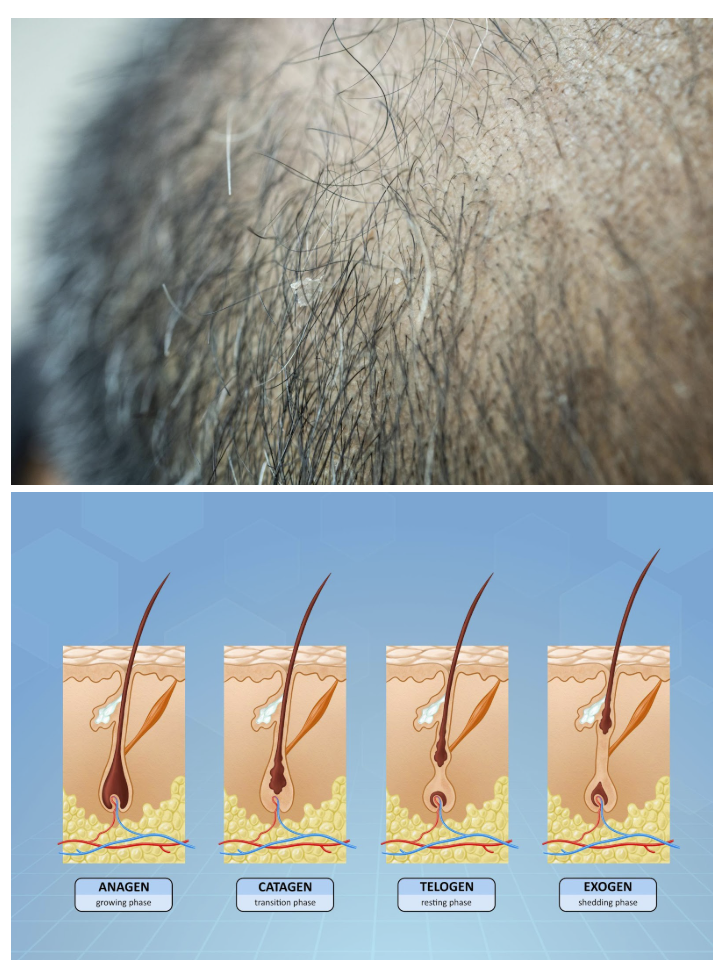
The Nature Reviews primer confirms that while oral finasteride and topical minoxidil can be effective, not all individuals respond, and long-term compliance remains a major challenge.
More importantly, the review reframes AGA as a complex signaling disorder, not merely a hormonal imbalance. The dermal papilla fibroblasts — described as the “pivotal signaling centre” of the hair follicle — become dysregulated under androgen influence. Growth pathways such as WNT signaling and IGF-1 are suppressed, leading to progressive follicular miniaturization.
In other words, the problem is not simply “DHT.”
It is disrupted cellular communication.
This is where regenerative medicine enters the picture.
2. Pluripotent Exosomes: Re-Educating the Follicle
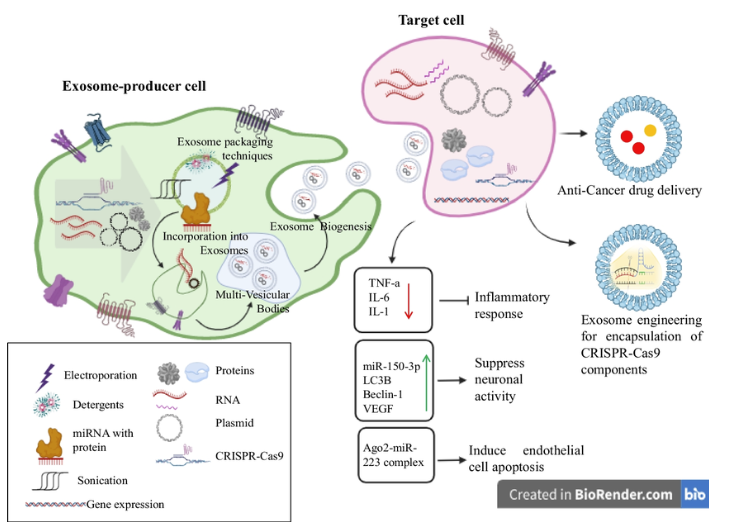
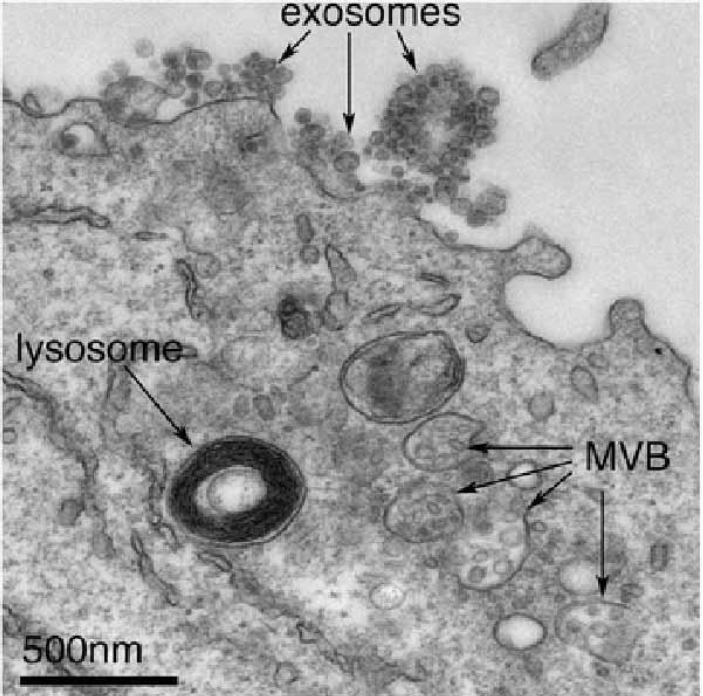
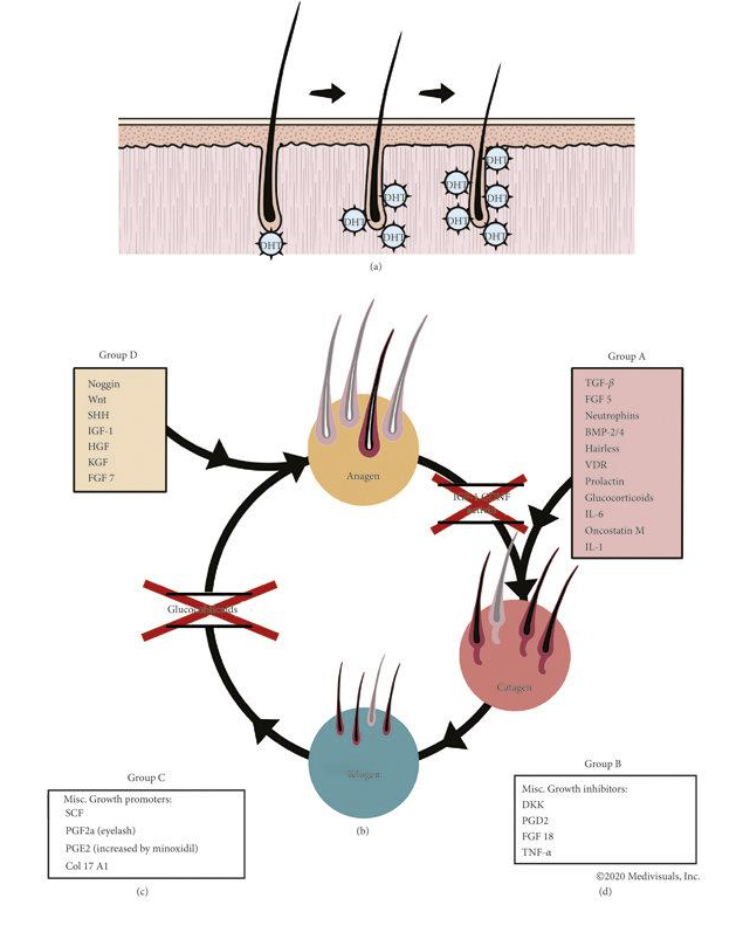
The 2025 review highlights emerging therapies including hair-follicle activating peptides and mRNA-containing liposomes — precisely the biological category in which advanced exosome therapies fall.
Exosomes are nano-sized extracellular vesicles that act as biological messengers, carrying mRNA, proteins, and growth factors. Their role is not to force hair growth artificially — but to restore proper signaling within the dermal papilla.
At Nespa, Pluripotent Exosome, PXHair, therapy is designed to:
Support WNT pathway activation
Deliver regenerative signaling molecules
Reduce inflammatory mediators such as IL-6
Counteract premature follicular senescence
In essence, exosomes help “reset” the follicle’s communication system.
3. VEGF-A: Restoring the Microvascular Environment
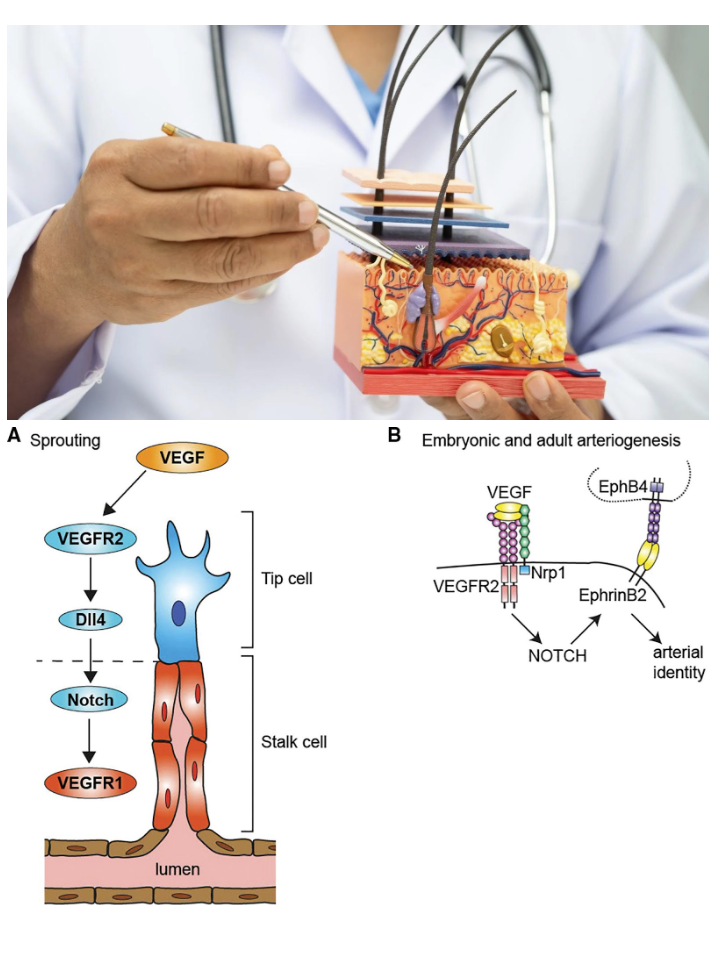
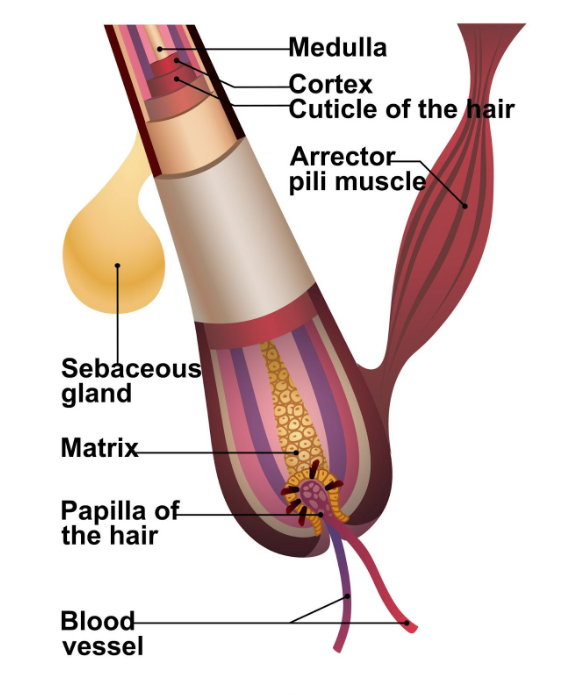
The review also notes that follicular miniaturization is accompanied by structural degeneration, including changes to the surrounding vascular network.
Hair follicles are highly metabolically active structures. Without proper microvascular support, even healthy follicles cannot sustain a prolonged anagen (growth) phase.
VEGF-A (Vascular Endothelial Growth Factor-A) is the master regulator of angiogenesis. By improving perifollicular vascularization, VEGF-A therapy:
Enhances nutrient and oxygen delivery
Improves graft survival post-transplant
Supports long-term follicular vitality
Optimizes the regenerative environment
If exosomes provide the “instructions,” VEGF-A ensures the delivery system works efficiently.
4. Hair Transplantation: The Structural Foundation
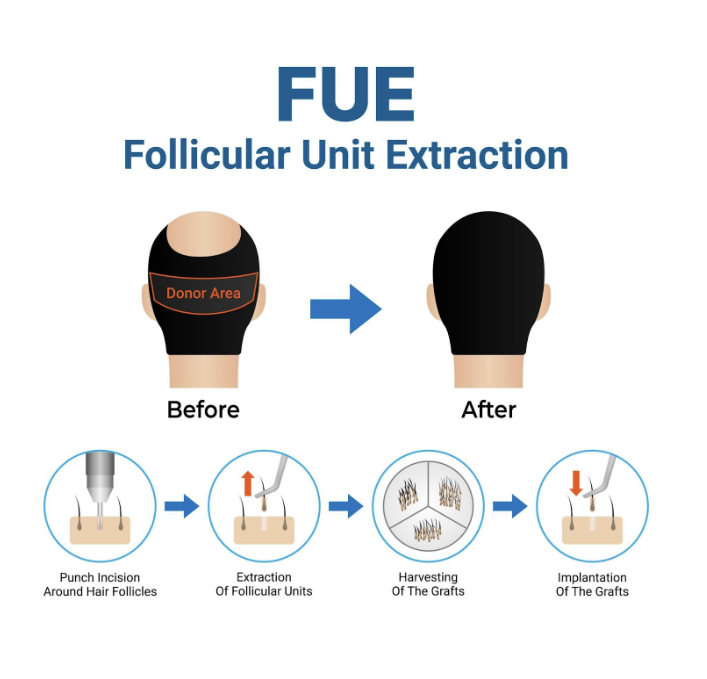
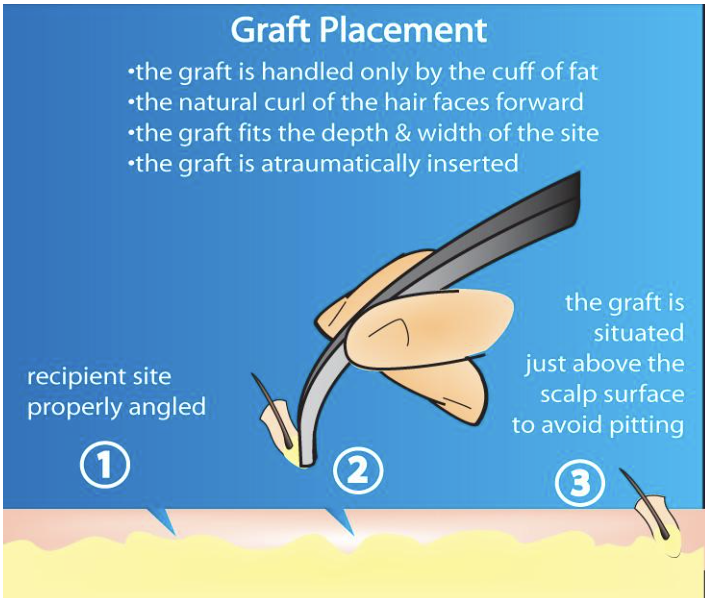
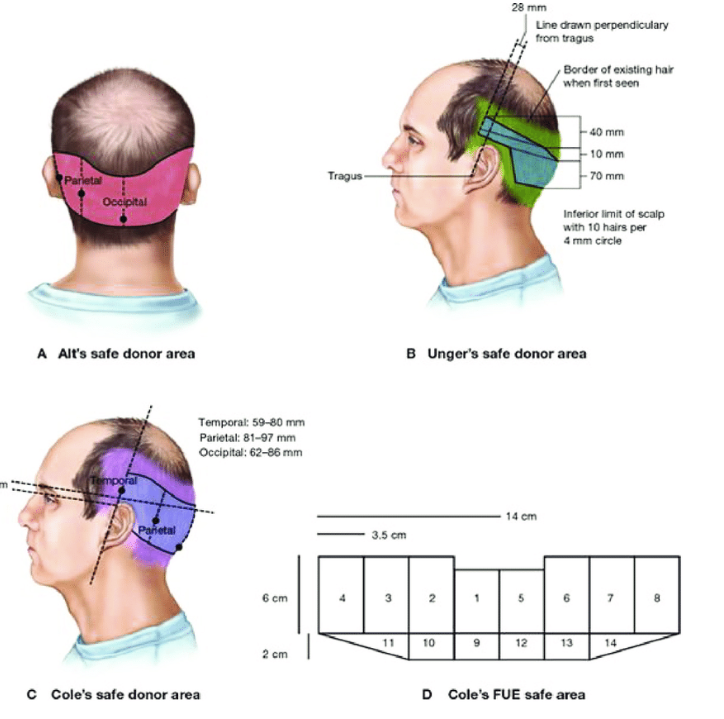
The Nature Reviews article confirms that autologous transplantation of androgen-resistant occipital follicles remains one of the only definitively effective therapies available.
This validates the long-established donor dominance principle: hair from the occipital scalp retains resistance to androgen-mediated miniaturization.
However, the article also acknowledges limitations:
Advanced miniaturization
Inflammatory variants such as Fibrosing Alopecia in Pattern Distribution (FAPD)
Suboptimal vascular environments
Transplantation alone restores density — but biology determines survival and longevity.
5. The Power of Combination: Nespa’s Regenerative Synergy
The most compelling section of the 2025 review is its “Outlook” — calling for next-generation, combinatory therapeutics.
This is exactly where Nespa’s integrated protocol stands apart.
Transplant + Exosomes
Pre-conditioning the scalp with exosomes may:
Reduce inflammatory signaling
Improve graft acceptance
Potentially expand eligibility in borderline cases
Exosomes + VEGF-A
Exosomes restore cellular communication.
VEGF-A enhances perfusion and oxygenation.
Together, they address both signaling dysfunction and environmental support.
Transplant + Regenerative Support
Hair transplantation restores structural density.
Regenerative therapies optimize biological sustainability.
This is not additive — it is synergistic.
A New Paradigm in Hair Restoration
The 2025 Nature Reviews Disease Primers publication confirms that AGA is no longer viewed as a simple hormonal issue. It is a multifactorial signaling cascade involving cellular aging, inflammatory pathways, vascular remodeling, and genetic susceptibility.
Nespa’s approach aligns precisely with this regenerative shift:
Pluripotent Exosomes to restore follicular signaling
VEGF-A therapy to optimize the vascular microenvironment
Advanced FUE/FUT transplantation to rebuild density
We are not merely slowing hair loss.
We are addressing the biological mechanisms described in the most current scientific literature.
The Bottom Line
Hair restoration is entering a regenerative era.
At Nespa, we combine bioengineering, molecular signaling science, and advanced surgical technique to create a comprehensive, forward-thinking protocol — one that reflects where hair science is going, not where it has been.
The future of hair density is not singular.
It is synergistic.
And it is already here.